

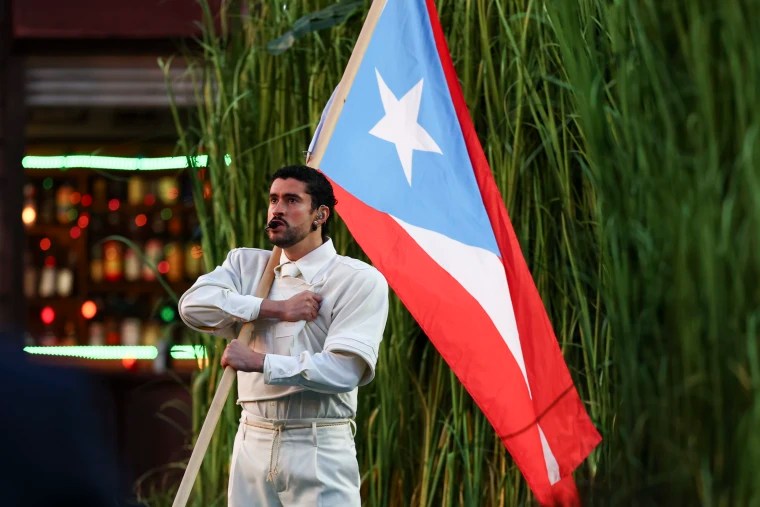
In Warner’s “Publics and Counterpublics,” he discusses what it takes to make up the group that would be identified as the public, and what group would be identified as the counter public. In an effort to identify a text that has traveled through real life, the internet, and literary forms of writing, let us apply Warner’s writing to the infamous Half Time Show performance by Bad Bunny. During the Super Bowl of 2026, the Half Time show performance was graced with Bad Bunny, Benito Ocasio. The public, in this scenario will be the self-organized group that came together due to similarities in opinion. (Warner, 67) The public was very intrigued, supportive, and welcoming of Hispanic culture being portrayed so publicly. Furthermore, not only did Bad Bunny represent Spanish-Speaking cultures, but he reminded the viewers that America was made up of North and South America. It wasn’t just the United States. Anyone that was upset, or preferred Kid Rock’s alternate performance, will be considered the counter public, in this scenario.
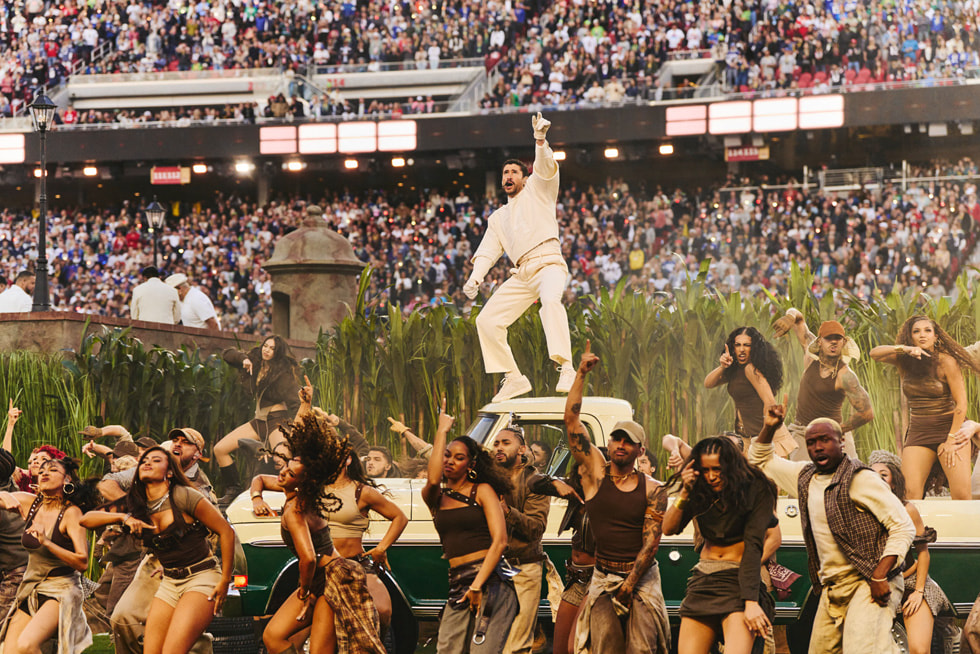
The constant back and forth between the public and counter public on behalf of this matter could be identified as what Warner calls “discourse.” Mainly focusing on the public and leaving the latter to be interpreted as the counter public, Warner writes on page 115, “This constitutive misrecognition of publics relies on a particular language ideology. Discourse is understood to be propositionally summarizable; the poetic or textual qualities of any utterance are disregarded in favor of sense. Acts of reading, too, are understood to be replicable and uniform. So are opinions, which is why private reading seems to be directly connected to the sovereign power of public opinion. Just as sense can be propositionally summarized, opinions can be held, transferred, restated indefinitely.” This quote deliberately shows readers that the language that is discussed amongst the public is directly related to their power and impact. By addressing where opinion falls in this certain light, readers are able to distinguish where the public is in the scenario with Bad Bunny’s performance. The public’s opinions were directly held, transferred, and restated. For example, people held their opinions until they were ready to share. This is where the transferring of opinions comes in: through social media, verbal, and literature. Furthermore, when an opinion starts transferring, there is no stopping it. Especially with such a wide platform that could reach all kinds of audiences (even your false audiences). People are able to stay on this topic for years to come, especially for it being such a cultural reset.
As previously mentioned, the public was inspired to express their opinions through literature on behalf of Bad Bunny’s casting for the Super Bowl. Published in December of 2025, only two months before Bad Bunny’s half time performance, people were already raging about the announcement of him being casted for the show. Two professors came together to write about Bad Bunny’s voice, even before it reached the field. Basically saying that, what happened at the Half Time Show was more than expected. Petra R. Rivera-Rideau and Vanessa Diaz wrote P FKN R: How Bad Bunny Became the Global Voice of Puerto Rican Resistance. It shows how even though the Super Bowl was what reached a bigger audience, Bad Bunny had always been working towards uplifting the Puerto Rican voice. Additionally, it sheds further light on the public’s opinion, and how it falls into becoming discourse. It has traveled over time to reach its climax: the show, and now more people are becoming familiar with the ideology that Bad Bunny is sharing. Therefore, they agree with him, and over time, become what they write.
Consequently, since we have established our public. Let’s talk more about how our counter public comes about. On page 121, Warner writes, “Perhaps nothing demonstrates the importance of discursive publics in the modern social imaginary more than this- that even the counter publics that challenge modernity’s social hierarchy of faculties do so by projecting the space of discursive circulation among strangers as a social entity and in doing so fashion their own subjectivities around the requirements of public circulation and stranger sociability.” In this quote, Warner discusses how important it is that a counter public is there. Only when our ideas are challenged are we able to learn and teach more about them. We all know how important that is. Charles Bazerman writes, on page 38, “..most of our knowledge comes from the texts we read. If people don’t share those texts (or other texts derivative of the primary presentation), they don’t share the knowledge.” Highlighting the importance of us sharing and discussing information, both authors are contributing to the idea that the public can’t exist without the counter public. Pertaining to this specific situation, the half time show, we are able to see how loud and prominent the voices of the public are, even in the midst of the counter public. The counter public that was very expressive in not wanting to see a performance in primarily Spanish, while the public continued to appreciate the performance and question the hateful reactions of the counter public.
In conclusion, the most prominent way to address this example of the public and counter public, according to Warner, would be “discourse.” Due to the continuous balance and sharing of opinions that is completed between both sides, we are able to distinguish between the strength of the public and the lack of strength on the counter public.
 Site Title
Leave a comment